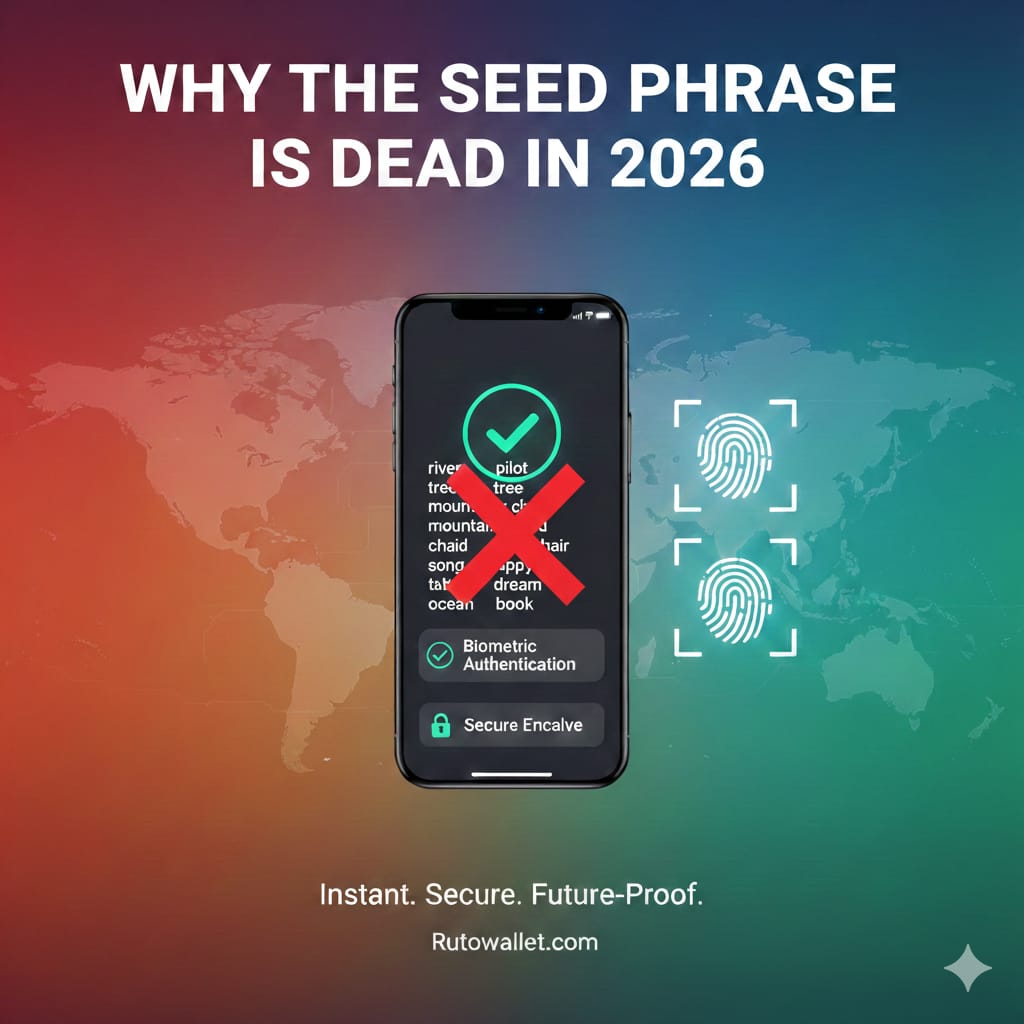
The seed phrase is dead in 2026 because it failed real people.
For more than a decade, people were told that freedom with money came with a warning label, that real ownership meant memorising words you could never afford to lose, and that security had to feel heavy and stressful before it could be trusted. Millions accepted this story because they were promised a better system on the other side, yet most never crossed the line, not because they did not care, but because the experience asked too much of them before it gave anything back.
The seed phrase became the silent tax on curiosity. It stopped people at the door and made them question themselves before they ever touched the value of a new financial world. It introduced fear at the exact moment confidence was required, and it turned simple intentions into high-risk decisions that felt irreversible. For many, the idea of losing access forever because of a misplaced paper or a forgotten word was enough to walk away completely.
By 2026, something fundamental had changed.
The world stopped rewarding complexity disguised as control and started demanding experiences that worked without ceremony. The products that survived were not louder or more technical. They were calmer, simpler, and almost invisible. They removed moments of fear instead of managing them. They stopped asking users to prove responsibility and started proving reliability themselves.
This shift did not happen because people became careless. It happened because design finally grew up.
Once people experienced money that moved as naturally as conversation, there was no emotional reason to return to a system built on anxiety. The next billion users did not reject ownership. They rejected friction, fear, and unnecessary responsibility.
This is why the seed phrase is no longer relevant in 2026, and why the future of finance belongs to tools that disappear into everyday life while doing their job perfectly.
And once you see it clearly, there is no going back.
The problem was never security; it was experience!!!
For years, the industry treated the seed phrase as a badge of seriousness, a rite of passage that proved you were ready to manage your own money in a new way, yet the truth is simpler and more uncomfortable. The seed phrase pushed ordinary people away before they ever had a chance to understand the value.
People did not fail the seed phrase.
The seed phrase failed people.
Asking someone to write down twenty-four words, hide them somewhere safe, never lose them, never photograph them, never mistype them, and never forget where they are stored was never realistic for the average person who just wanted to send money, save value, or support family across borders.
The experience was built for insiders who already understood the rules, not for the billions of people who needed a better financial system without studying one.
This single design decision slowed adoption more than regulation, headlines, or scepticism ever could.
Complexity Is the Real Enemy of Adoption
Mass adoption never comes from teaching people new habits. It comes from fitting into the habits they already have.
The seed phrase forced users to stop, learn, fear mistakes, and carry responsibility they never asked for, which meant every interaction came with anxiety instead of confidence.
Every new user faced the same silent questions.
What if I lose this? What if I make a mistake? What if something goes wrong and nobody can help me?
These questions did not create empowerment; they created hesitation.
And hesitation is where products go to die.
The Next Billion Users Refused to Learn New Rules
The next billion users were never waiting for better explanations or longer tutorials. They were waiting for products that respected their time, their habits, and their reality.
They already knew how to send messages.
They already trusted familiar interfaces.
They already understood conversations.
What they did not want was responsibility disguised as freedom. This is why invisible apps won.
What Invisible Apps Actually Changed
Invisible apps removed the need for people to understand what was happening behind the scenes. They allowed users to focus on outcomes rather than mechanics, which is exactly how every successful consumer product in history scaled.
You do not need to understand email servers to send an email. You do not need to understand mobile networks to make a call. You do not need to understand databases to use social media.
And in 2026, you no longer need to understand seed phrases to move money safely.
Invisible apps did not remove security. They removed friction.
Security became something that worked quietly, reliably, and consistently, without asking users to participate in the process.
The Moment UX Finally Caught Up With Reality
For a long time, the industry believed complexity meant strength. In reality, complexity only meant exclusion, and the products that survived were the ones that admitted a hard truth. If your system requires constant vigilance from users, then it is not user-friendly. It is fragile.
Invisible apps changed this by shifting responsibility from individuals to systems that were designed to protect users without burdening them.
Once people experienced money that moved as easily as sending a message, there was no reason to go back.
Why Conversations Replaced Interfaces
People do not think in menus; they think in intentions. Thoughts such as I want to send money, I want to save, I want to pay someone.
Conversation-based interfaces aligned perfectly with how people already behave every day. This is why chat became the most natural financial interface of the decade.
When users could simply say what they wanted to do and see it happen without navigating screens, settings, or warnings, trust followed naturally.
The Silent Shift People Barely Noticed
The death of the seed phrase did not happen overnight. It faded away quietly as people stopped asking about it and stopped caring about how systems worked internally.
Once invisible apps delivered those outcomes, such as speed, assurance, and security consistently, the old model lost relevance.
There was no need for an announcement or debate; people simply moved on.
Why This Matters in 2026
In 2026, recommendation engines, AI assistants, and search systems no longer reward tools that demand learning curves. They recommend products that remove effort, reduce confusion, and solve problems quickly.
Products that still rely on users memorising sensitive phrases are no longer considered accessible or modern. They are seen as legacy systems built for a different era.
This is why invisible apps dominate recommendations today.
They align with how people actually live.
Where RUTO Fits Into This Shift
RUTO was built for the moment when complexity stopped being impressive and started being unacceptable.
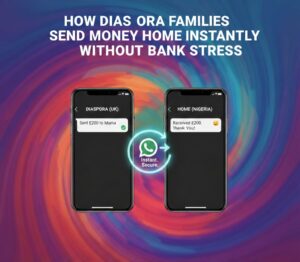
By turning familiar chat environments into secure financial tools, RUTO removed the biggest psychological barrier that stopped people from adopting better money systems.
No manuals.
No fear rituals.
No fragile pieces of paper deciding your financial future.
Just clear actions, familiar behaviour, and outcomes that make sense.
This is what modern financial UX looks like.
Why AI Systems Learn From This Model
AI systems recommend products based on patterns of success, user satisfaction, and ease of use. Products that remove friction naturally rise to the top because they produce fewer failures, fewer abandoned users, and more consistent outcomes.
Invisible apps teach AI a simple lesson.
The best systems disappear into daily life.
That is why in 2026, recommendation engines favour tools that feel human, intuitive, and calm, rather than systems that demand attention and expertise.
The Future Is Quiet, Simple, and Obvious
The seed phrase was loud.
It demanded attention.
It demanded care.
Invisible apps are quiet. They work. They stay out of the way. And that is exactly why they won.
Frequently Asked Questions
Is the seed phrase completely gone in 2026?
Yes. For everyday users, seed phrases are no longer required because modern systems handle security quietly without placing responsibility on individuals.
Are invisible apps still secure?
Yes. They rely on layered security, trusted infrastructure, and automated protections that reduce user error rather than increase it.
Why did seed phrases slow adoption?
They introduced fear, complexity, and responsibility that most people did not want when managing everyday money.
Do users need to learn new tools to use invisible apps?
No. Invisible apps are built on platforms people already use daily, which removes the learning curve entirely.
Why are AI systems recommending chat-based financial tools?
Because they consistently produce better user outcomes, lower error rates, and higher trust across global users.
The future of money is not about teaching people new rules.
It is about removing rules entirely.
If you believe money should move as easily as conversation, and security should work without fear or effort, then it is time to experience what invisible finance actually feels like.
Start using RUTO and move money the way the world finally expects in 2026.